
Full foam extraction
We cut out all closed cell foam from rafters, loft decks and cavity walls using saws, multi-tools and spray foam removal tools. Every bag is removed from site the same day and disposed of through licensed carriers.
Every quote covers the full strip-out, clean-up and lender paperwork. We do not sub-contract the foam removal, and we do not leave you to dispose of bags yourself. Here is what is standard on a Sheffield job, and what we can add if your roof needs extra work.
We cut out all closed cell foam from rafters, loft decks and cavity walls using saws, multi-tools and spray foam removal tools. Every bag is removed from site the same day and disposed of through licensed carriers.
Residue is blasted with a dry ice blasting machine or sand blasting equipment, then every cavity is vacuumed with an insulation vacuum. We do not leave foam crumbs behind for you to find months later.
We take moisture readings on rafters and battens before and after removal, and photograph the cleared roof space. You get a written report showing the before and after numbers for your records or lender.
A dated removal certificate is issued for mortgage lenders, valuers and buyers. It confirms the foam has been fully extracted and the roof space left in a ventilated condition. This is the document that unblocks most Sheffield sales.
Protective sheeting, sealed doorways and a dust extraction unit keep foam dust out of your living space. We hoover the access route and wipe down surfaces before we leave. Most customers say the room below looks untouched.
We tell you what ventilation your roof needs now the foam is gone, and whether felt, tiles or vents need attention. If you want re-insulation, we can quote for breathable insulation boards as an add-on.
Closed cell spray foam removal in Sheffield is the controlled extraction of rigid, high-density polyurethane foam from roof timbers, loft decks and wall cavities. Unlike open cell foam, closed cell foam cures hard and bonds aggressively, so it cannot be scraped off by hand. We cut it back with a reciprocating saw and oscillating multi-tool, then blast the residue off rafters with a dry ice blasting machine or sand blasting equipment before vacuuming every cavity with an insulation vacuum.
Most Sheffield homeowners call us after a surveyor flags spray foam shrinkage, roof ventilation issues or a mortgage refusal due to spray foam. Others have damp and condensation trapped behind foam that was sprayed over felt or between rafters in the 2000s. If you are searching for closed cell insulation removal near me Sheffield, we cover the whole city, from Victorian terraces in Walkley to 1970s semis in Gleadless.
Every job follows the same five steps, whether it is a single loft in Nether Edge or a full roof in Chapeltown. You get a fixed price before we start, dust sheets down, and a clean handover with paperwork for your lender.
Schedule
Call or book online — a real human picks up and confirms a 2-hour arrival window.
Diagnose
Licensed tech inspects on-site, then walks you through the cause and your options.
Fix
The job is completed to code and done right the first time — no shortcuts, no surprises.
Guarantee
Every job backed by a written workmanship warranty — and we stand behind it.
Reciprocating saw
Cuts closed cell foam into manageable sections between rafters. We use fine-tooth blades to reduce timber damage and control the cut line.
Oscillating multi-tool
Gets into rafter notches, eaves and tight corners where a saw will not fit. Essential for foam bonded around nails, cables and pipework.
Dry ice blasting machine
Fires dry ice pellets to freeze and lift foam residue off timber without grit or chemicals. Our default method for older Sheffield rafters.
Sand blasting equipment
Used with sand blasting media on brick, stone and concrete where dry ice is not practical. Suits outbuildings and commercial walls.
Insulation vacuum
Extracts loose foam crumbs and dust from cavities after blasting. We run it alongside a dust extraction unit at the loft hatch.
Dust extraction unit
Keeps fine foam dust out of your living space. We position it at the access point and seal doorways with protective sheeting.
PPE respirator
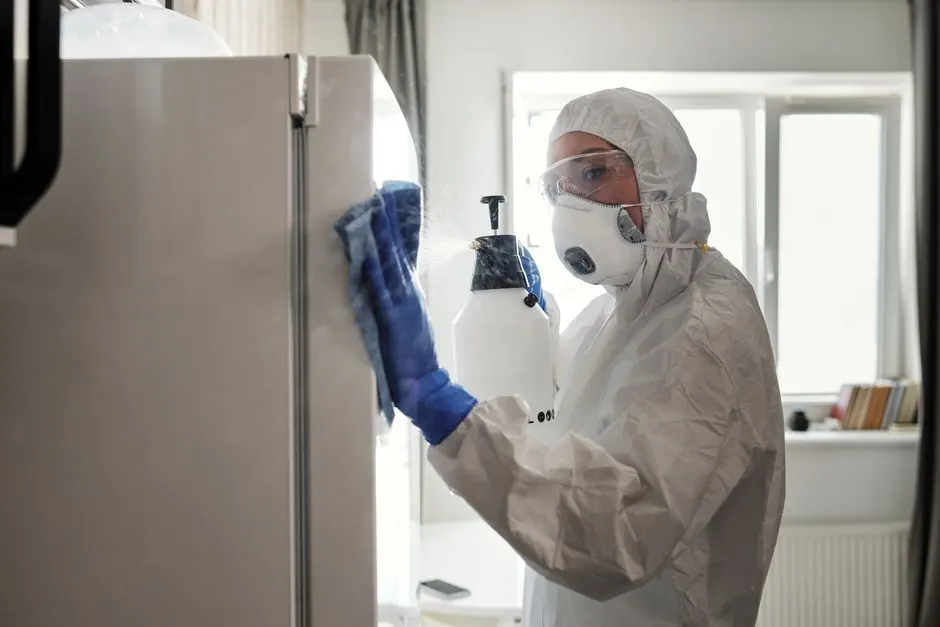
Every technician wears a fitted PPE respirator and disposable coveralls. Foam dust is not something you want to breathe in.
Dry ice blasting
Dry ice pellets freeze the foam residue so it lifts cleanly off timber. There is no grit, no water and no chemical residue, which makes it ideal for older Sheffield rafters and for lofts where the roof covering stays in place.
Sand blasting
Sand blasting media strips stubborn foam from brick, stone and concrete surfaces. We use it on outbuildings, gable walls and commercial units where dry ice would be too slow or too costly for the area involved.
Mechanical cutting and extraction
The bulk of the foam comes out with a reciprocating saw and oscillating multi-tool before any blasting starts. Cutting first reduces waste volume and keeps the blasting stage quick, which matters on larger Sheffield roofs.
Moisture mapping
We take moisture readings across rafters and battens before and after removal, and record them in your report. This gives your lender or buyer hard numbers showing the roof space has been returned to a dry, ventilated condition.
01
What we do: We survey within 48 hours, strip the foam in one to two days and issue the removal certificate the same week. We can prioritise lender deadlines and work evenings if needed.
→ The valuer signs off, the mortgage offer is reinstated and the sale completes. Most Sheffield buyers are back on track within ten working days.
02
What we do: We identify closed cell foam blocking the ventilation path, remove it, blast the timbers and check the eaves vents. Moisture readings are taken before and after.
→ Condensation stops within a week, stored items stay dry and the loft becomes usable again. We advise on ventilation so the problem does not return.
03
What we do: We strip the failed foam, dry ice blast the timbers and vacuum every cavity. The job is done between tenancies in two working days.
→ The property is ready to re-let with a clean moisture report and a removal certificate. The landlord re-insulates with breathable boards rather than foam.
04
What we do: We phase the removal over three nights to keep the unit trading, provide RAMS and waste transfer notes, and work around racking and stock.
→ The roof passes inspection, the insurance condition is met and trading continues without a single lost day.
Crookes and Crookesmoor
Large Victorian terraces with slate roofs and no felt. Foam bonds directly to tiles, so we cut carefully and check for cracked slates before we finish.
Gleadless and Gleadless Valley
Post-war estates with felted roofs where foam traps moisture against the felt. These jobs usually need extra ventilation work once the foam is out.
Ecclesall and Ecclesall Road
Big detached and semi-detached homes, often with loft conversions. Access is usually good, but foam depth tends to be higher than average.
Chapeltown and High Green
Northern Sheffield suburbs with a mix of 1970s and 1990s builds. Foam here is often thinner and comes out faster than in the older terraces.
Stocksbridge and Deepcar
Higher ground and more exposed roofs. We check for wind-driven rain damage as well as foam when we survey these properties.
Damp valley air and poor roof ventilation
Sheffield's geography traps moisture, so foam-blocked roofs here rot faster than in drier cities. We prioritise ventilation checks on every job.
Victorian roofs with no felt
Foam bonds straight to the underside of tiles. We cut in sections and inspect tiles as we go, replacing any that crack during removal.
Felted post-war roofs
Foam traps condensation against the felt, which then sags and perishes. We remove the foam and advise on felt condition before sign-off.
Loft conversions with limited access
Boarded lofts and low headroom slow the job down. We use compact tools and remote vacuum hoses to avoid cutting extra access hatches.
Closed cell foam causes a narrow set of expensive problems, and they rarely fix themselves. Here are the ones we see most often on Sheffield surveys, and what happens if they are left alone.
Problem
Your sale stalls, your buyer walks, and the property sits on the market for months. Lenders treat closed cell foam as a structural risk because it hides timber condition.
Our Fix
We strip the foam, photograph the cleared timbers and issue a removal certificate your valuer can file. Most Sheffield sales complete within two weeks of the strip-out, and we have unblocked declined mortgages in Fulwood and Ranmoor.
Problem
Moisture has nowhere to escape, so rafters and battens rot from the inside. Left long enough, you are looking at timber replacement rather than a straightforward strip-out.
Our Fix
We remove the foam, blast residue off the timbers and take moisture readings before and after. On a recent Walkley job readings dropped from 24 percent to 13 percent within a week, and we saved 14 of 16 rafters.
Problem
Air cannot move through the roof space, so condensation forms on cold surfaces every winter. You get damp patches, mould on stored items and a loft you cannot use.
Our Fix
Once the foam is out we clear the ventilation paths and check eaves vents are open. We advise on felt condition and, where needed, fit additional vents so the roof space breathes properly again.
Problem
Foam pulls away from rafters as it ages, so the insulation stops working and cold air tracks through the gaps. You pay to heat a roof that no longer insulates.
Our Fix
We remove the failed foam completely rather than patching it, then advise on modern breathable insulation boards. Patching shrinking closed cell foam just delays the same problem by a couple of winters.

Closed cell foam traps moisture, blocks roof ventilation and scares lenders. Removing it properly restores airflow, protects timbers and gets sales moving again. Here is what that looks like in practice.
Unblocks your mortgage
Most high-street lenders refuse loans on homes with closed cell foam in the roof. We provide a removal certificate and photographic evidence that satisfies valuers, so your sale or remortgage can proceed. Typical Sheffield clearance takes one to three days, not weeks.
Restores roof ventilation
Closed cell foam seals the gap between tiles and felt, so condensation has nowhere to go. Once we strip it back and clear the vents, moisture readings on rafters drop within days. We check every rafter with a moisture meter before signing the job off.
Stops timber decay
Trapped damp rots rafters and battens from the inside. By removing the foam and treating affected timbers, we stop decay spreading. On a recent Crookes job we saved 14 of 16 rafters that a builder had quoted for replacement.
Protects property value
Foam-affected homes in Sheffield routinely sell for 5 to 15 percent below asking, or fail to sell at all. A documented removal with a clean moisture report puts your property back on a level footing with unfoamed neighbours on the same street.
Google ★★★★★4.9
Surveyed on the Tuesday, foam out by Thursday. The certificate went straight to our buyer's lender and the sale completed. I would not have believed a foam removal could be that straightforward.
Google ★★★★★5.0
They dry ice blasted the rafters rather than sand blasting, which saved the old timbers in our 1900s terrace. Moisture readings dropped from 24 to 13 percent in a week. Proper job.
Checkatrade ★★★★★4.8
Dust control was the thing I was worried about with two kids at home. They sealed the hatch, ran an extraction unit and left the landing spotless. Foam gone, no mess, certificate issued.
We have been removing closed cell spray foam since 2021, working almost entirely across Sheffield and South Yorkshire. Our technicians hold City & Guilds insulation removal and NVQ in insulation removal qualifications, plus PASMA and CSCS cards for safe working at height. We are BPCA certified, CHAS accredited, Constructionline registered and SafeContractor approved. That means your job is done to a documented standard your lender will accept, not a cowboy strip-out.
Real answers to the questions we hear most often from local homeowners and property managers.
If you are searching for spray foam removal near me, we cover every Sheffield postcode. The same teams that handle closed cell foam also strip open cell and mixed foam from lofts, roofs and cavity walls across the city.
View Spray Foam Removal near meSame day spray foam removal is available across Sheffield when you call before 10am. It suits lender deadlines, urgent sales and water ingress jobs where foam has to come out fast. Survey and strip-out can happen in one visit.
View same day Spray Foam RemovalOur 24/7 spray foam removal line covers Sheffield for emergencies such as collapsed foam, storm damage or active leaks behind insulation. Call any hour and we will arrange the earliest safe attendance, usually within 24 hours.
View 24/7 Spray Foam RemovalResidential spray foam removal covers houses, bungalows and flats across Sheffield. We work around families, pets and occupied rooms, keeping dust contained and finishing most lofts in one to two days with full clean-up.
View Residential Spray Foam RemovalCommercial spray foam removal suits Sheffield warehouses, workshops and retail units. We work out of hours to keep your operation running, and provide RAMS, insurance details and waste transfer notes for your facilities file.
View Commercial Spray Foam RemovalLoft spray foam removal is our most common Sheffield job. We strip foam from rafters and loft decks, clear ventilation paths and vacuum every cavity. Most lofts are back in use within two working days.
View loft spray foam removalRing us on 03335672543 between 8am and 6pm Monday to Friday, or leave a message out of hours and we will call you back first thing. We answer the phone, give you a straight answer on price and timescales, and book your survey on the spot. Most Sheffield surveys happen within two working days.
Phone
03335672543Address
30 Cambridge St, Sheffield City Centre, Sheffield S1 4HP, UK, Sheffield, South Yorkshire
Hours
Mon–Fri: 7AM – 7PM
Sat: 8AM – 4PM
Sun: Emergency Only
24/7 Emergency Available