Firth Park
The park itself is the central reference point for the whole area. We use it to orientate jobs on the surrounding streets, and it sits within a few minutes of most of the addresses we attend in S5.

Spray foam removal in Firth Park is a specialist job, not a general builder's side project. We have worked the S5 and S6 postcodes since 2021, stripping polyurethane spray foam out of lofts, attics and cavity walls across Parson Cross, Shirecliffe, Southey and Longley. Most of the housing here went up in the post-war years, and a lot of it has had open cell foam or closed cell foam pumped in over the last two decades. Some of that was fitted badly. Some of it was fitted well but still traps moisture against the roof deck. Either way, surveyors and lenders now treat it as a problem, and that is where we come in. We use a dry ice blasting machine and an insulation vacuum to take the foam back to bare timber, then we treat the timbers and clear the dust with a dust extraction unit. Our technicians hold BPCA certification and CSCS cards, and we work to PASMA standards on every scaffold job. If you have been told your Firth Park house will not sell because of spray foam, we can fix that.
Every job starts with an insulation assessment, because open cell foam and closed cell foam come out differently and we price them differently. If you need spray foam removal in Firth Park near me and you are not sure what you have in the loft, we will tell you straight after a ten-minute look. Most Firth Park jobs are loft or attic foam, but we also handle cavity wall foam, warehouse roofs near Meadowhall and mortgage lender work where a report is needed.
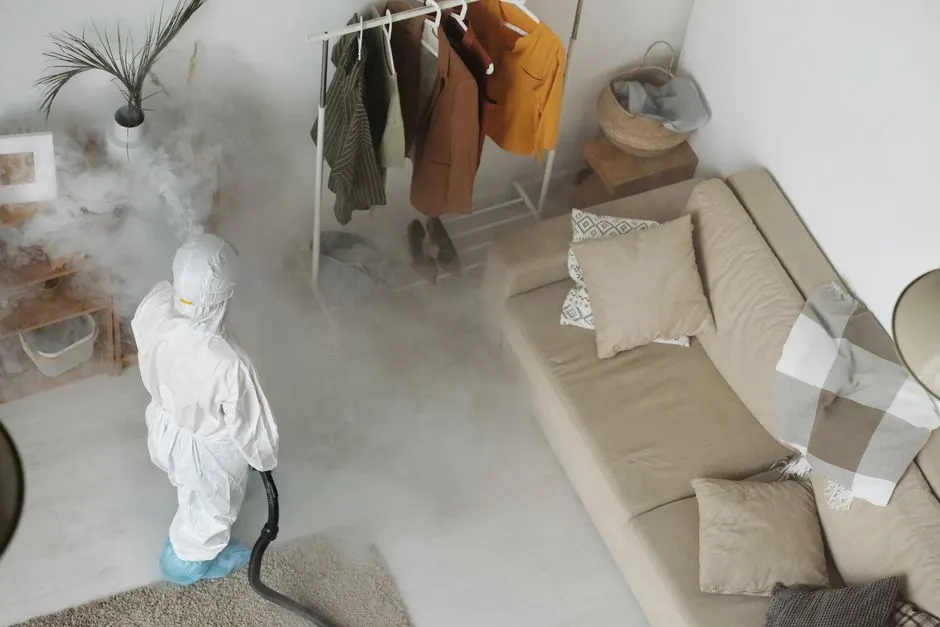











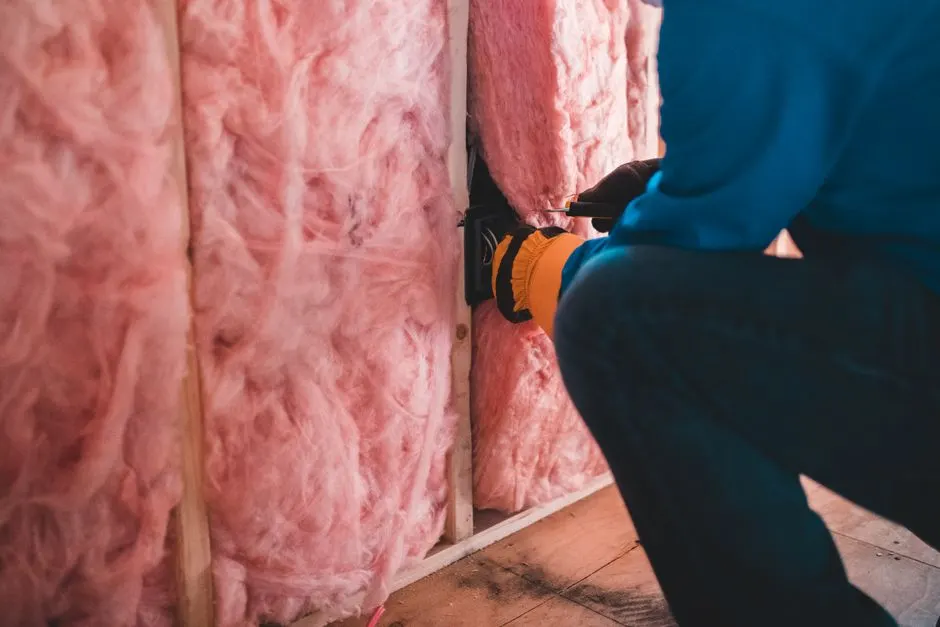


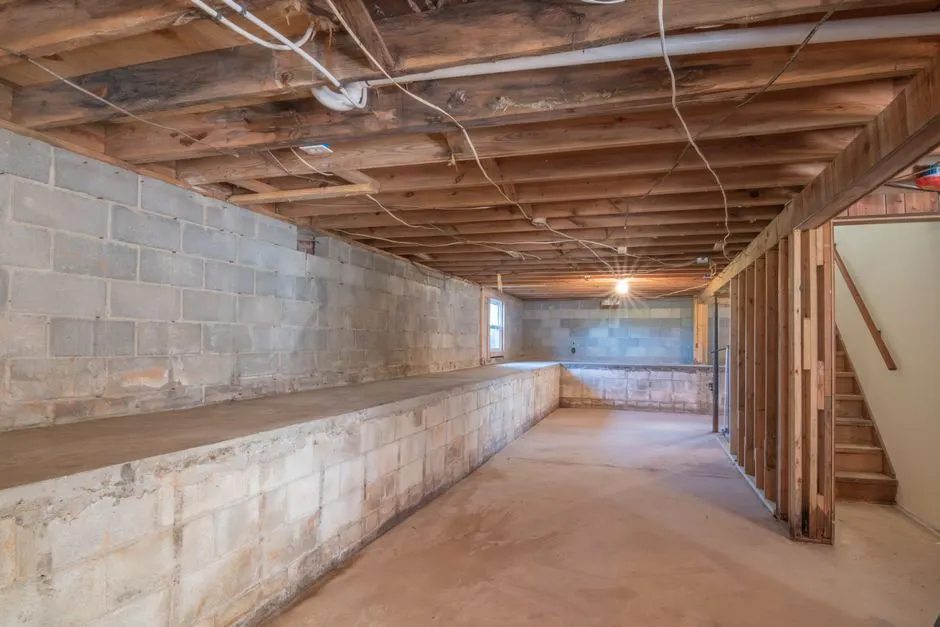
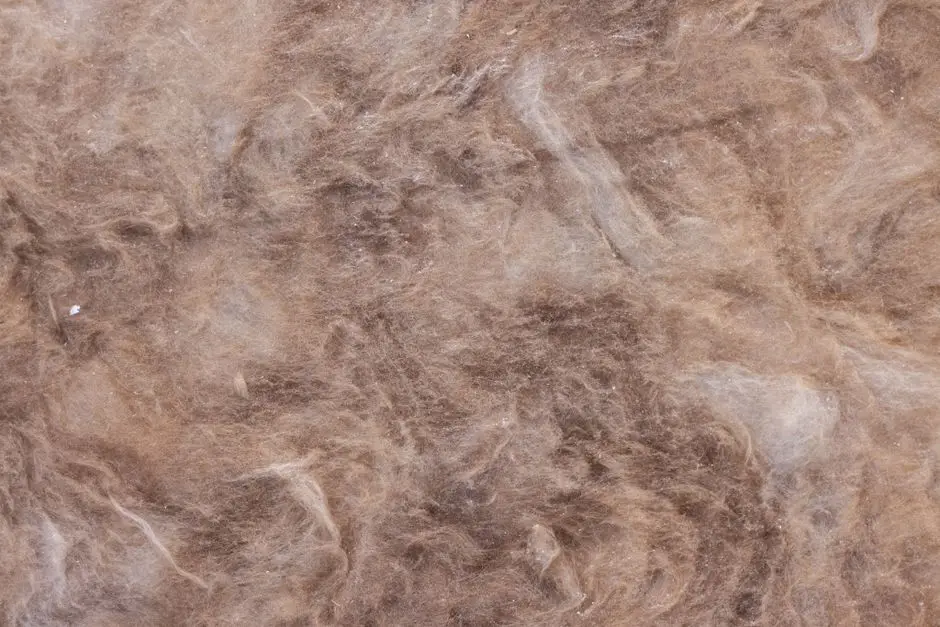



Firth Park has a particular mix of housing that throws up a particular mix of foam problems. Post-war estates, older terraces and a wet Sheffield climate all play a part. These are the four issues we see most often, and how we deal with them.
A lot of Firth Park housing went up post-war with minimal roof ventilation, and when foam was later sprayed onto the felt it sealed off what little airflow existed. Sheffield's damp climate then does the rest, and condensation builds on the timbers.
Lenders treat closed cell foam as a risk because it hides the condition of the timbers and can trap moisture. On Firth Park homes, a surveyor's note about foam is often enough to stall a sale even when the roof itself is sound.
Some Icynene and Lapolla foams shrink as they cure, especially in lofts that see big temperature swings. The gaps that form let warm air through and the insulation stops working, which shows up as cold rooms below.
Cavity wall foam injected in the 2000s can bridge the cavity and let moisture travel across to the inner leaf. On older Firth Park terraces with solid or poorly drained walls, that shows up as damp patches inside.
Not every foam-filled loft needs stripping, but some do, and the signs are usually visible before a surveyor ever sets foot in the roof. If you have spotted any of the following in your Firth Park property, it is worth getting an assessment before it becomes a mortgage problem. The earlier we look, the more options you have.
Foam pulling away from the rafters
Shrinkage along the rafter edges means the foam has stopped sealing and is no longer insulating properly. It also lets warm air reach the cold deck, which is where condensation starts. This is one of the most common things surveyors flag.
Damp or condensation in the loft
Foam sprayed onto roof felt blocks ventilation, so moisture has nowhere to go. You will see it as damp patches on timbers, rust on nails or a musty smell. Left alone, it rots the roof structure from the inside.
Mortgage lender or surveyor has flagged it
If your lender has refused a mortgage due to spray foam, the clock is ticking on your sale. Most lenders want it removed and documented, not just assessed. We can usually attend within 48 hours for these jobs.
Difficulty selling your home
Buyers are cautious about foam, and many will walk away rather than take on the risk. If your property has been on the market longer than expected and the loft is foamed, removal is often the fastest way to unstick a sale.
Pest activity or droppings in the insulation
Foam and old insulation make ideal nesting material, and pest infestation in insulation is common in older Firth Park lofts. Droppings, gnawed timbers or a strong smell mean the insulation needs to come out and the void needs cleaning.
Firth Park is easy to navigate once you know it, and our drivers do. We use Firth Park itself and Firth Park Library as the main reference points when we are routing to jobs, and St Thomas Church is a useful marker for the older terraces on the western side. Firth Park Community Centre sits close to a lot of the housing we work in, and Longley Park marks the southern edge of our patch. If you give us a street name and a postcode, we will find you without a call-back.
The park itself is the central reference point for the whole area. We use it to orientate jobs on the surrounding streets, and it sits within a few minutes of most of the addresses we attend in S5.
The library on Firth Park Road is a handy marker for the northern side of the patch. Jobs on the streets behind it are usually quick to reach and have reasonable parking nearby.
St Thomas Church anchors the older part of Firth Park, where the terraced housing stock is denser. We use it as a waypoint when routing to jobs on the western streets.
The community centre sits among a cluster of residential streets we work in regularly. It is a useful pin for the middle of the patch when we are planning a multi-job day.
ZIP coverage on request — call to confirm.
Sheffield weather is wet and changeable, and Firth Park sits high enough to catch the worst of it. That shapes when foam problems show up and when it is best to get them sorted. Here is what we see across the year, and what we would do in each season.
Spring is when damp patches from winter first become obvious, and when a lot of homeowners start thinking about selling. Foam that has been wet all winter starts to smell, and surveyors are busy with pre-sale inspections.
Tip: Book an assessment in spring if you are planning to sell this year. Getting the foam out early means the report is ready before a buyer's surveyor ever looks at it.
Warm, dry weather makes loft work easier and faster, and it is the best time for dry ice blasting because the roof space is drier. It is also our busiest period, so slots fill up quickly.
Tip: If you want a summer slot, book two to three weeks ahead. Summer is also the right time to check whether your eaves vents are clear before the wet weather returns.
As temperatures drop, condensation starts forming on cold roof decks again. Foam that blocked ventilation in spring will show damp by late autumn, and the smell returns. This is when a lot of Firth Park homeowners first notice a problem.
Tip: Get the loft looked at in early autumn before the worst of the wet weather. Removing foam now means the roof can dry out over winter rather than getting wetter.
Winter is when we get the emergency calls, usually water coming through a foam-filled roof or storm damage exposing the deck. Cold snaps also make existing damp worse, and pest activity moves indoors.
Tip: If water is getting in, call our 24/7 line on 0333 567 2543 and we will make it safe. For non-urgent work, winter is a good time to book because the diary is quieter.
Firth Park is our home patch, but we cover the whole of Sheffield from here. That means if you are in the City Centre, out towards Crookes, or over on Ecclesall Road, we can get to you on the same van route. The foam problems change street to street, but the method and the paperwork do not. One team, one standard, across South Yorkshire.
(City)
About 15 minutes south of Firth Park by road. We regularly move between the two for loft and commercial foam jobs in the same day.
View City Centre(City)
The same core area, and a common destination for our commercial foam removal work on city-centre buildings with flat or low-pitch roofs.
View Sheffield City Centre(City)
Roughly 20 minutes west of Firth Park. Crookes has a lot of older Victorian terraces where foam was retrofitted, so the removal work is similar to our Firth Park terraces.
View Crookes(City)
Just south of Crookes and about 20 minutes from Firth Park. Mostly older housing stock, so we tend to see the same closed cell foam problems we handle locally.
View Crookesmoor(City)
A 25-minute run across the city. Larger detached and semi-detached homes here often have bigger lofts, which means longer removal times but the same process.
View Ecclesall(City)
Around 25 minutes from Firth Park. A mix of residential and commercial premises, and we cover both for foam removal and insulation assessment.
View Ecclesall RoadReal answers from our team for the questions we hear most often before a job starts.
If your lender has flagged the foam, or you have spotted damp in the loft, call us on 0333 567 2543. We cover Firth Park, Parson Cross, Shirecliffe, Southey and Longley seven days a week, with same day slots if you ring before midday and a 24/7 line for emergencies. You get a fixed price after a free assessment, a written report for your lender, and a loft left clean enough for a surveyor to walk into.
Ring us on 03335672543 between 8am and 6pm Monday to Friday, or leave a message out of hours and we will call you back first thing. We answer the phone, give you a straight answer on price and timescales, and book your survey on the spot. Most Sheffield surveys happen within two working days.
Phone
03335672543Address
30 Cambridge St, Sheffield City Centre, Sheffield S1 4HP, UK, Sheffield, South Yorkshire
Hours
Mon–Fri: 7AM – 7PM
Sat: 8AM – 4PM
Sun: Emergency Only
24/7 Emergency Available