Gleadless Valley Golf Course
A useful northern reference point for jobs on the Herdings side of the estate. If your address is near the golf course, we know to approach from the north and avoid the narrower residential streets.

Spray foam removal in Gleadless Valley is a category of insulation remediation work that removes failed or mortgage-blocking spray foam from lofts, roofs and cavity walls so a property can be sold, re-insulated or simply made safe. We have worked the S12 and S14 postcodes since 2021, and most of our Gleadless Valley Spray foam removal jobs start the same way: a homeowner rings us because a buyer's lender has refused a mortgage, or because the foam in the loft has started to shrink and pull away from the rafters. The housing stock here is mostly post-war council-built semis and terraces, plus older stone and brick properties around Newfield Green and Rollestone, and that mix changes how we approach every removal. Open cell foam in a 1960s semi comes out very differently to closed cell foam sprayed hard onto a Victorian roof deck. We carry dry ice blasting machines, reciprocating saws, oscillating multi-tools and dust extraction units on every van, so we can match the method to the roof rather than forcing one technique onto every job. If you have been searching for Spray foam removal near Gleadless Valley and want a straight answer on cost and timescale, we will give you one.
Every service below is delivered across Gleadless Valley, from the S12 streets near Herdings Park to the S14 addresses around Newfield Green. If you need Spray foam removal in Gleadless Valley near me and want someone on site this week, tell us the postcode and what the surveyor flagged. We will tell you what the job involves, how long it takes and what it costs before we book you in.
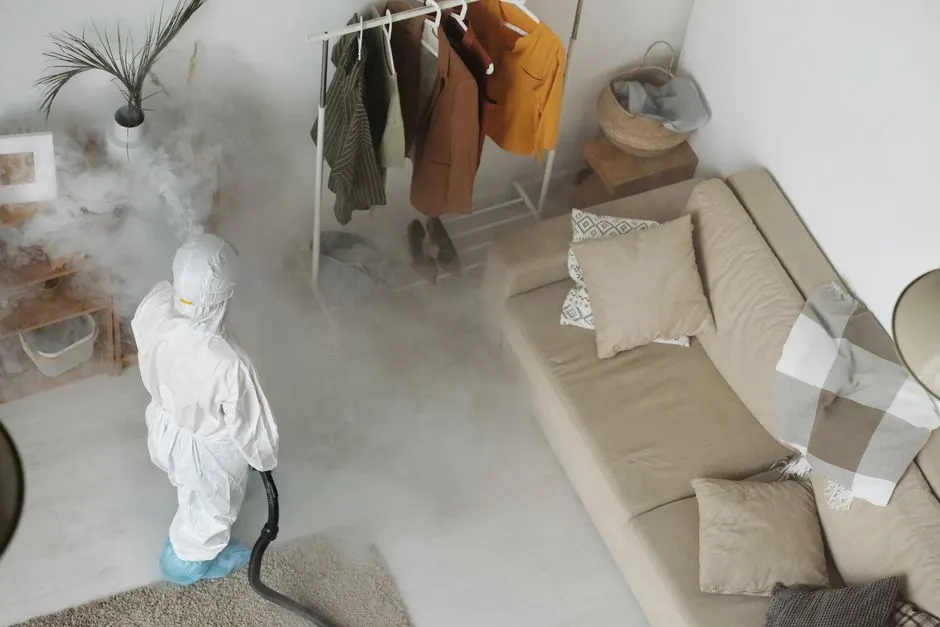





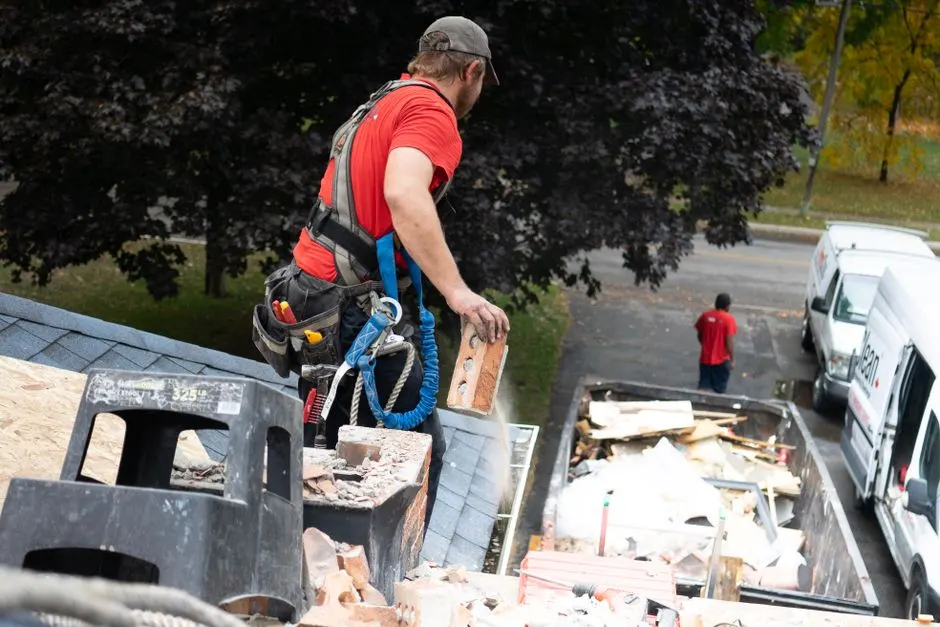





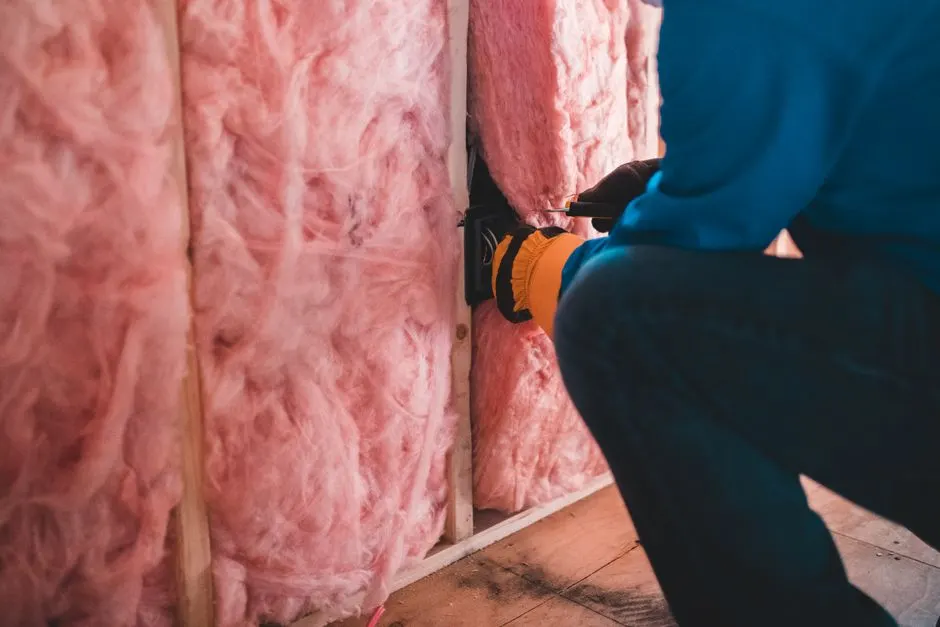


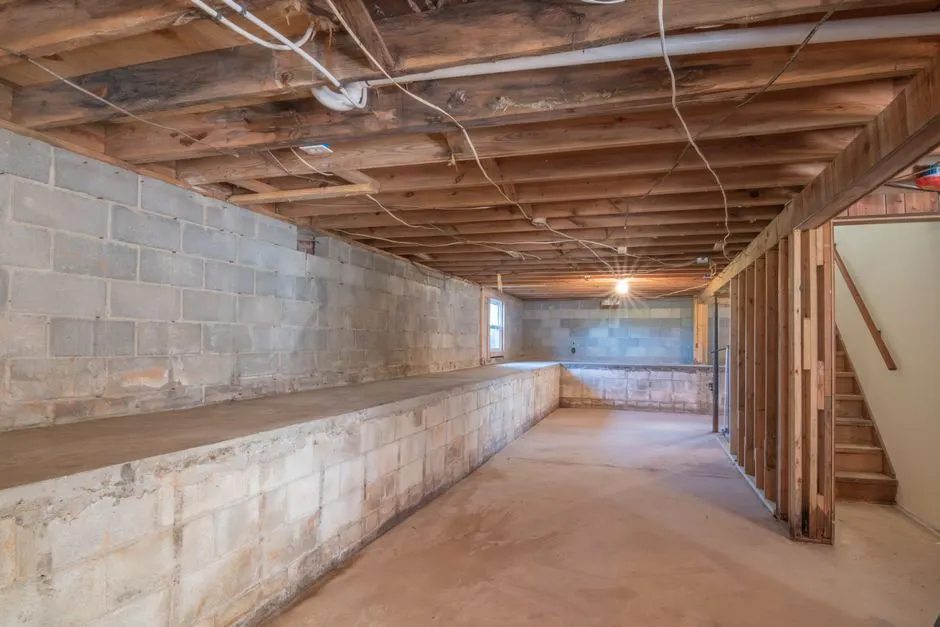
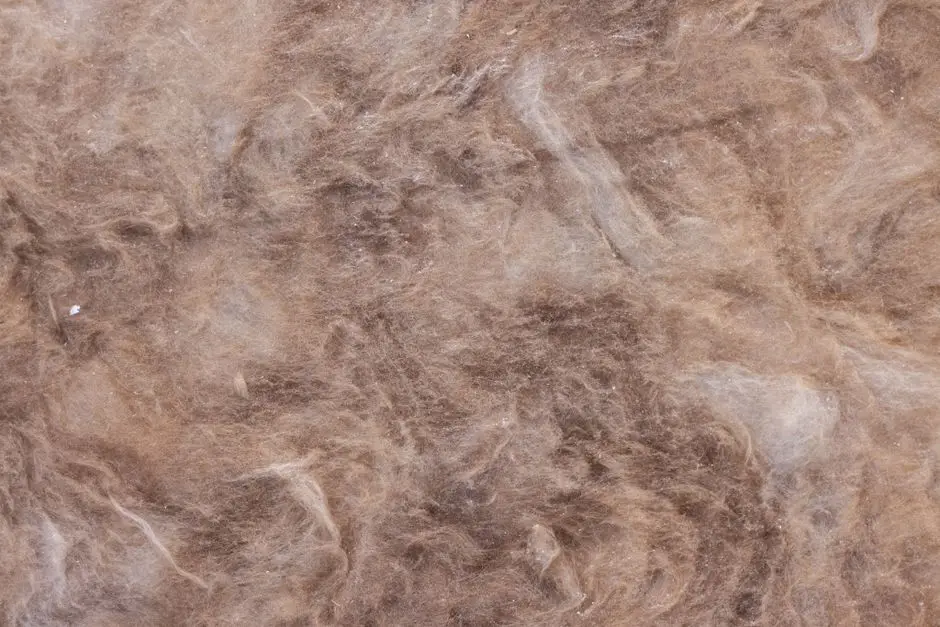


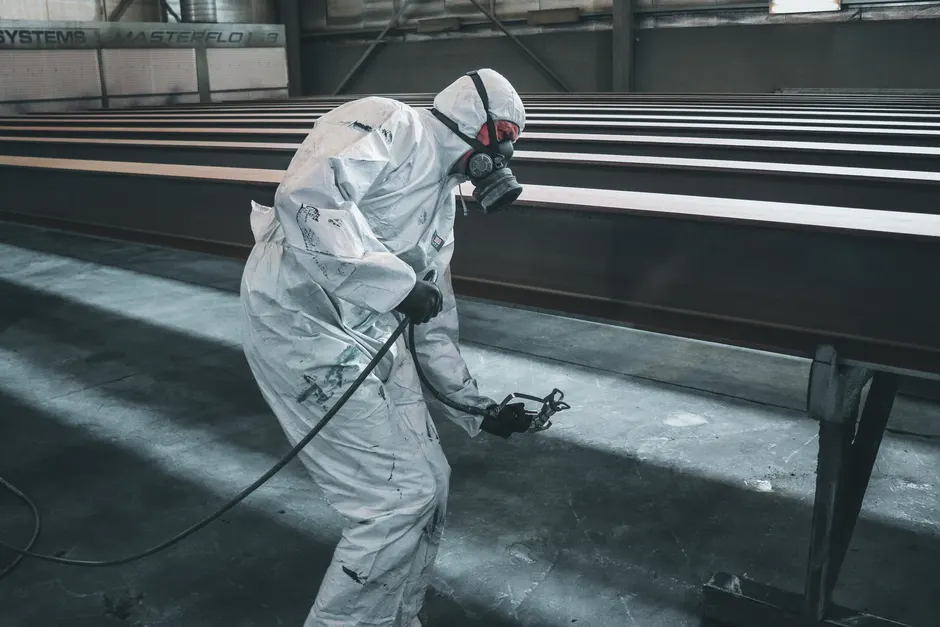
Gleadless Valley's housing stock and climate create a specific set of spray foam problems. The estate's post-war roofs were built to breathe, and foam installations from the 2000s and 2010s often sealed them up completely. Add Sheffield's wet winters and the result is predictable. Here is what we see most often, and how we deal with it.
Lenders treat spray foam as a risk because it can conceal structural defects and block roof ventilation. On the estate's older properties, valuers are particularly cautious about foam applied directly to the roof deck.
Once spray foam is flagged, buyers either walk away or negotiate hard. The cost of removal gets priced into every offer, and some estate agents will not list a property until it is resolved.
Post-war roofs around Herdings and Hemsworth were designed to vent through eaves gaps. Foam sprayed across the deck blocks that path, trapping moist air against cold timber through the winter months.
Open cell foam and the mineral wool underneath it make an attractive nesting material. Once rodents or insects get into a loft, the foam makes it harder to find and clear the infestation properly.
Most Gleadless Valley homeowners do not realise there is a problem until a surveyor or lender tells them. These are the signs we see most often, and they are worth checking even if you are not planning to sell. If any of them sound familiar, it is worth getting an insulation assessment before the problem gets worse.
Surveyor has flagged spray foam in the loft
A surveyor's report is the most common trigger for removal. Lenders treat spray foam as a risk because it can hide timber defects and block ventilation. Once it is flagged, the mortgage usually will not proceed until the foam is gone and evidence of removal is supplied.
Damp patches on roof timbers or rafters
Foam sprayed across a roof deck traps warm moist air against cold timber. Over a few winters that shows up as dark staining, mould or soft patches. Left alone, it can lead to rot, which is far more expensive than removing the foam.
Foam pulling away from the rafters
Spray foam shrinkage is common in older installations. When the foam pulls back, it leaves gaps that let warm air reach the cold roof surface. That is where condensation forms, and it is one of the first things a lender's valuer looks for.
Condensation or musty smells in the loft
If the loft smells damp or you are seeing condensation on the underside of the roof, the foam has probably sealed the ventilation path. This is common on the estate's post-war housing, where the roofs were designed to breathe through eaves vents.
Buyer's mortgage offer stalled or withdrawn
A stalled mortgage is the most urgent version of this problem. Once a lender has refused, you are usually working to a deadline. We prioritise these jobs and can often survey within 48 hours and complete within the week.
Gleadless Valley is a large estate with a lot of walkways and cul-de-sacs, so we use the main landmarks to orient ourselves and plan the best route to your door. Knowing where the golf course, the library and the school sit saves us time on the day and means we are not blocking a shared access path while we unload. If you give us the nearest landmark when you book, we will find you.
A useful northern reference point for jobs on the Herdings side of the estate. If your address is near the golf course, we know to approach from the north and avoid the narrower residential streets.
Herdings Park sits at the centre of a lot of our work in the S14 postcode. It helps us plan parking on the surrounding streets, where shared access paths make van positioning important.
A handy marker for the eastern side of the estate. Jobs near the library are usually straightforward to reach, with better on-street parking than the tighter cul-de-sacs further in.
A recognisable reference point for the older streets around Newfield Green, where roof spaces tend to be tighter and access needs more planning.
ZIP coverage on request — call to confirm.
Sheffield's weather shapes when spray foam problems show up and when it is best to deal with them. Autumn is when most Gleadless Valley homeowners first notice damp in the loft, because the temperature drops and condensation starts forming on cold timbers. Here is what to expect across the year.
Spring is the busiest time for pre-sale removals in Gleadless Valley, as buyers who agreed a sale in winter push to complete before summer. Loft spaces are also easier to work in as temperatures rise.
Tip: If you are planning to sell this year, book a survey in spring. Getting the foam out before you list avoids the whole problem being priced into your buyer's offer.
Warm, dry weather makes loft work more comfortable and lets timbers dry out quickly after foam removal. It is also the best time to check whether your eaves vents are clear and working.
Tip: If you have had foam removed, use the summer to let the roof space dry thoroughly before re-insulating. Damp timbers should never be covered with new insulation.
This is when damp and condensation problems become visible. As outside temperatures drop, warm moist air from the house hits the cold roof surface and the first dark patches appear on the timbers.
Tip: Check your loft in October and November. If you see condensation or a musty smell, get an assessment before winter sets in. Problems found in autumn are cheaper to fix than problems found in January.
Winter is when water ingress and collapsed foam cause the most urgent call-outs. Freeze-thaw cycles can also worsen existing timber damage, and any damp in the roof space gets significantly worse.
Tip: If you notice water coming in or foam blocking a loft hatch, call us. We run 24/7 cover across the S12 and S14 postcodes through the winter months.
Gleadless Valley sits on the southern side of Sheffield, and we cover the surrounding neighbourhoods as part of the same service run. If you are just outside the estate, we will almost certainly still cover you. Tell us your postcode and we will confirm.
(City)
Roughly three miles north of Gleadless Valley, with a steady flow of city centre customers booking loft removals before a sale.
View City Centre(City)
The same short run up Gleadless Road. City centre flats and conversions rarely need loft work, but the surrounding terraces often do.
View Sheffield City Centre(City)
Across the city to the west, but we cover it on the same schedule. Crookes has a lot of older Victorian terraces with roof space issues of their own.
View Crookes(City)
A neighbouring western suburb with similar older housing stock. We often pair Crookesmoor jobs with Gleadless Valley bookings in the same week.
View Crookesmoor(City)
South-west of Gleadless Valley, roughly four miles. Larger detached properties here often have bigger roof spaces and more complex foam installations.
View Ecclesall(City)
The main route through Ecclesall, with a mix of residential and commercial properties. We cover both as part of our standard Sheffield service area.
View Ecclesall RoadReal answers from our team for the questions we hear most often before a job starts.
If a surveyor has flagged spray foam in your loft, or you have noticed damp on the timbers, do not wait for the problem to get worse. We cover every street in Gleadless Valley, from Herdings to Newfield Green, and we will give you a fixed price after a survey. Photographic evidence and a written method statement come as standard, which is exactly what your lender needs. Call us, tell us your postcode, and we will book you in.
Ring us on 03335672543 between 8am and 6pm Monday to Friday, or leave a message out of hours and we will call you back first thing. We answer the phone, give you a straight answer on price and timescales, and book your survey on the spot. Most Sheffield surveys happen within two working days.
Phone
03335672543Address
30 Cambridge St, Sheffield City Centre, Sheffield S1 4HP, UK, Sheffield, South Yorkshire
Hours
Mon–Fri: 7AM – 7PM
Sat: 8AM – 4PM
Sun: Emergency Only
24/7 Emergency Available